This Isn't a Poor Thing

Rust is creeping around the edges of my truck, but it’s paid off. This is not the season for vacations, but we did manage to replace all our windows for our home last year. Everything seems to be in a perpetual fix, break cycle.
Our boots are worn and dirty, like fine lines around my eyes, the leather is cracking, telling of its well lived life. When it makes sense, we buy something new, but more often than not, we give something old a second life. Debt lingers, reminding us of the days we paid for groceries with credit cards. I can’t remember the last time we ate at a restaurant, but fresh bread is cooling on a rack, and a roast is in the oven. Vehicles and machinery know the callused hands of my husband. Dirt is my manicurist.
We are in a balancing act, prioritizing, allocating, making dew and sometimes, simply doing without. Like many people, we are caught in the middle.
If you saw our bank account you may indeed think we are poor, everything is relative. But this isn’t a poor thing.
I suppose this an open letter of sorts, dedicated to the close people in our lives who just don’t get it.
Once, we processed and ate a deer that was, indeed, roadkill.
Are things really that bad? They asked with downcast eyes.
No, nothing is really that bad, but why would we leave 60 pounds of perfectly good meat to rot? I suppose some of their distain lies in ignorance of our capabilities. They had no idea that my husband can look at an animal and tell if it’s sick or not fit for eating. They don’t know we are very careful and sanitary in our processing practices.
Another instance, a person we know, didn’t want to eat the eggs laid by my flock of chickens because they were not USDA inspected.
I was screaming inside.
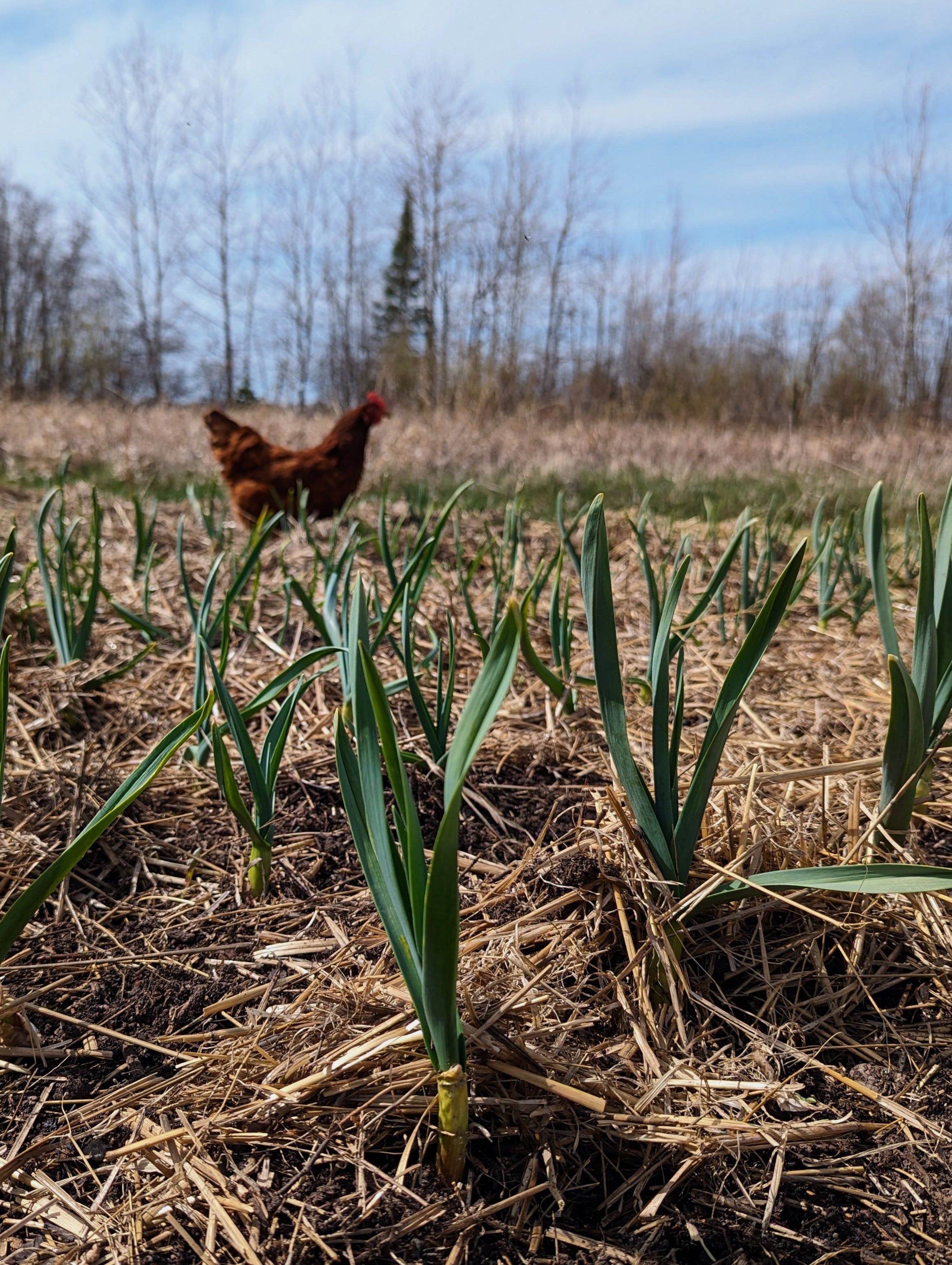
My chickens eat organic feed, free range our 11 acres and overall have really great lives. What is the matter with you?!
Someone I love very much said that hunting is for sport, not food, and you should eat grocery store meat instead.
Just buy it at the store, I’ve heard.
Are things so tight you can’t just buy it?
Doesn’t that take a lot of time? Is it worth it?
But you’re not a mechanic... (So don’t try to fix it)
This is not a poor thing, although, poverty is a great opportunity to receive an education that no university could compare to. So, if it’s not a poor thing, what is it?
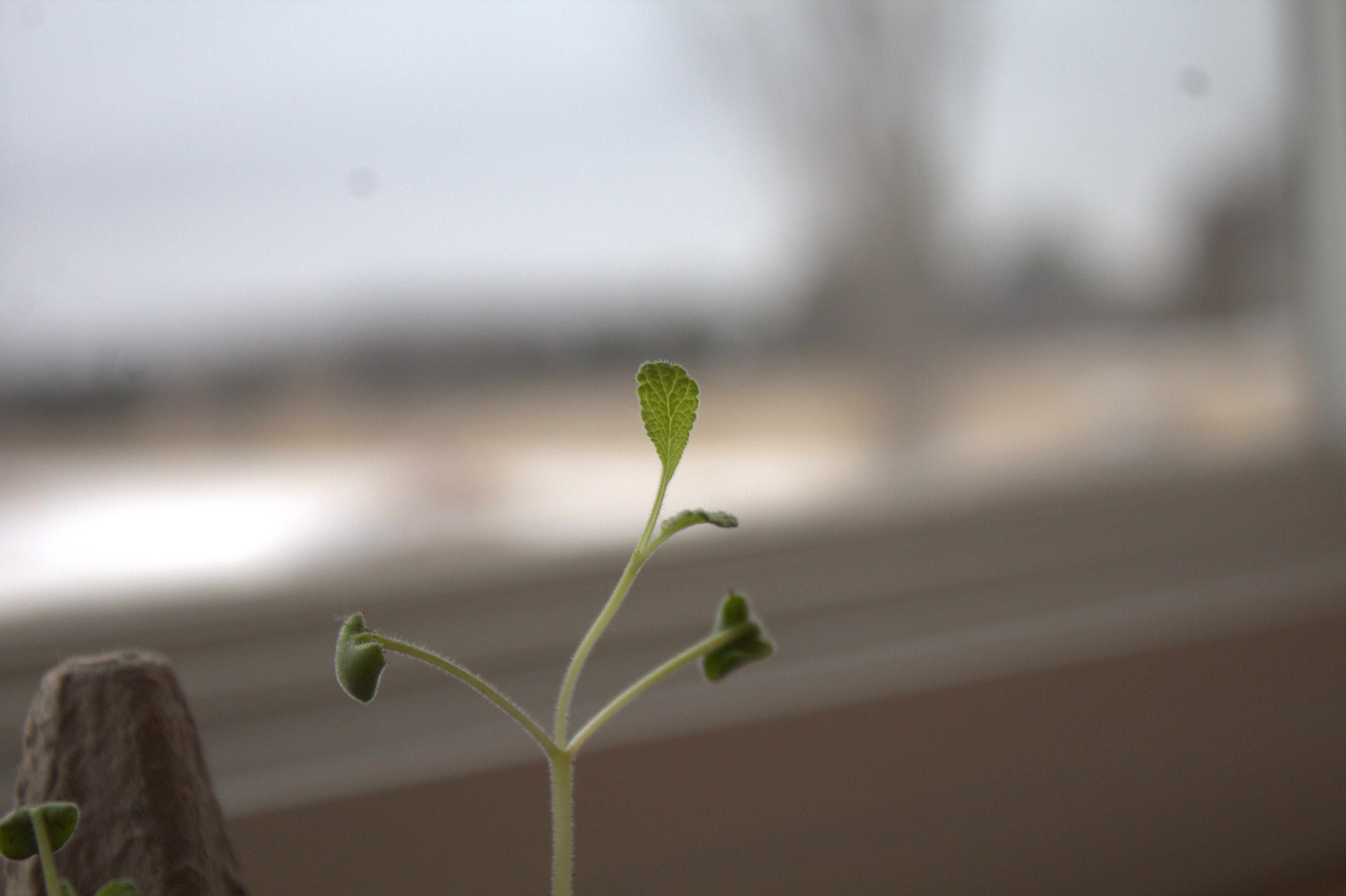
Learning skills that serve our homestead is putting more cans in our can-do pocket. Building resiliency starts with processing a chicken, field dressing a deer, canning tomatoes, saving seeds and identifying wild plants.
Regardless of financial standing, life skills will never be beneath me. The financial benefits of taking what was once outsourced and bringing it back home is a great benefit, but my family and I are gaining something deeper, a sustainable future.
Another word for sustain is to strengthen or keep from falling. Cultivating skills strengthens us. Building a network of people who know how to do real life, so to speak, is strengthening.
When I picture strength, I imagine a diverse group of people with arms linked so tightly that they form a wall. The wall is protecting our peace. Self-sufficiently, I don’t believe, protects our peace.
Here are some examples of community sufficiency in my own life:
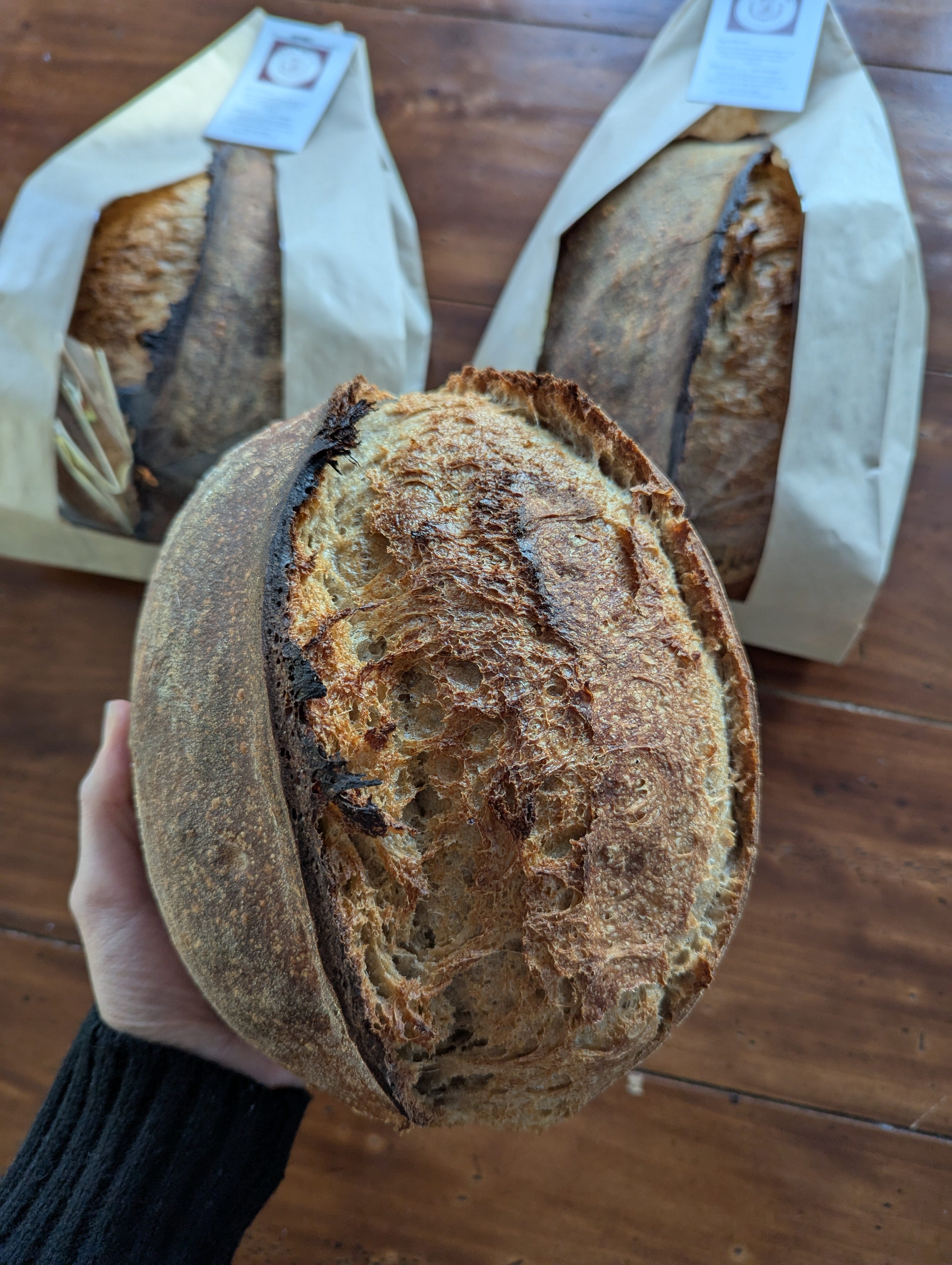
I worked at a garden center for two seasons. I would bake sourdough and gift it to my coworkers. The owner, who I can best describe as a badass chick with a heart of gold, encouraged me to start selling the bread right there at the garden center. She offered up her business space (without taking a cut) so I could begin my micro bakery.
Another example, when the power went out last winter, my husband offered up his skills as an electrician to our neighbor by hooking up his generator to the furnace.
Lastly, my neighbor gifted me deer tallow because he heard I make candles with it. In return, I gifted him a candle and a loaf of bread.
We have come to the realization quickly that we cannot thrive separated from society. However, a society reliant on the government rather than each other is living life just waiting for the bottom to fall out.
Not long ago, in our own community, I witnessed small farms absolutely crippled by the sudden loss of government funding. It’s heartbreaking and infuriating but also served as a confirmation to me-- I do not wish to rely on the government.
Keeping chickens, growing food, using plants as medicine, saving seeds, cooking from scratch, learning new skills, these are all things that build resiliency. This is not something designated for poor people or the folks who didn’t go to college.
The belief that we could somehow be too civilized or above doing the things that sustain life is delusional. No matter what is in my bank account, I will find my way to the garden. I will thank the chicken for its life before dispatching it. I will not waste food. It’s written on my heart to honor and respect the land we are stewarding.
This isn’t a money thing.
I’m not saying planting a garden is going to win a war or stop all the monstrosities happening every day, but it’s a damn good place to start.
I loved this article. The times we live in are what they are. Resiliency. Resourcefulness. What fantastic lessons. Thank you!
You know a lot more than I do about the practical skills of living, but I get what you’re saying. I haven’t lived on a farm, but I’ve been camping a lot, and you learn to be resourceful and use what you have. Basic living shouldn’t have anything to do with whether someone buys something from a store or not. It’s not a poor thing, it’s a practicality thing.